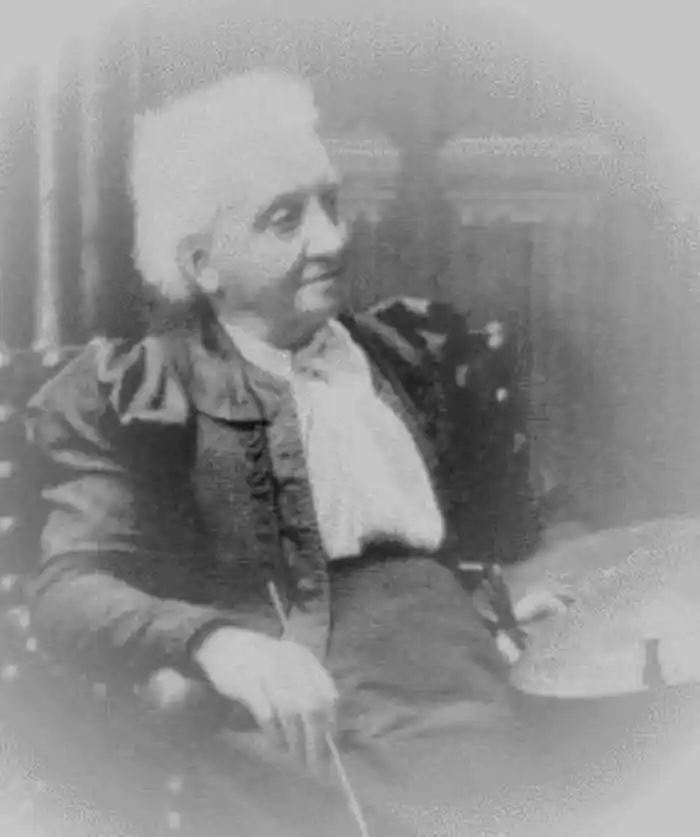
Henriette Ronner-Knip
1821 — 1909 · Brussels
Painted nothing but cats from the 1870s onward. Set the European salon standard for the parlour cat at rest.
Read about Ronner-KnipFor a few decades on either side of 1900, painters in Brussels, Paris, Tokyo and London made the cat a subject in its own right — patient, observed, frame-centered. This site is their room.
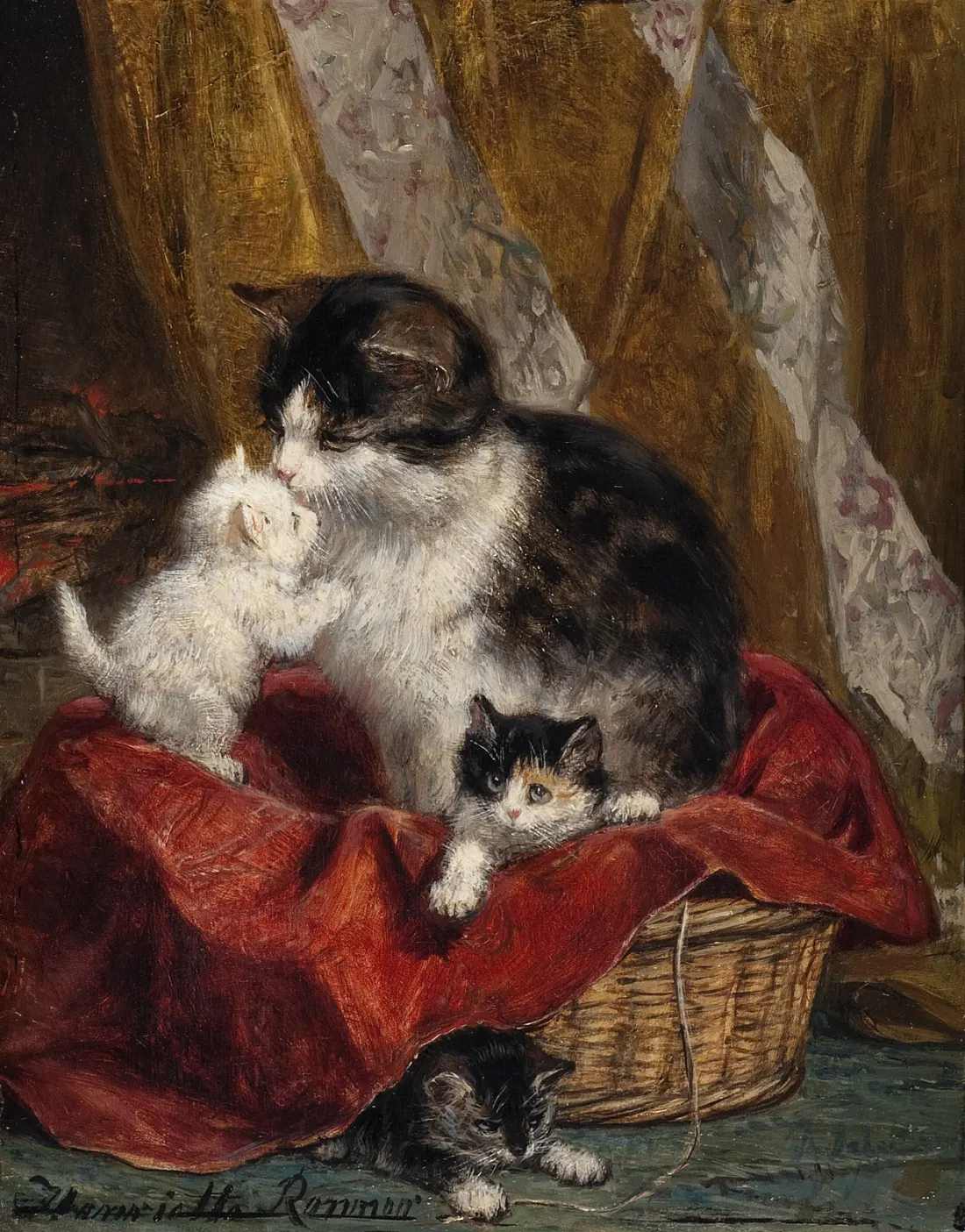
For most of European art history, the cat sat at the edge of the frame — beneath a table in a Dutch interior, curled on a fold of cloth in a domestic still life, decorative and unnamed. Then, over a few decades on either side of 1900, that changed. A loose canon of painters in Brussels, Paris, Tokyo and London took the cat as a subject in its own right, with the same patience other painters reserved for portraits, horses and game.
In Brussels, Henriette Ronner-Knip painted nothing but cats from her mid-fifties onward — kittens in baskets, mothers with litters, parlour cats lit by afternoon windows — and the European market could not get enough of them. In Montparnasse, Tsuguharu Foujita carried a cat into his self-portraits and laid down a milk-white ground that became his signature. In Montmartre, Théophile Steinlen filled sketchbooks with the street cats of his arrondissement. In London, Louis Wain made the cat a household figure across Edwardian publishing. And in her Paris studio, Suzanne Valadon returned to the cat as a serious portrait subject, again and again.
This site is the heritage room for that canon — five painters, their biographies, the museums that hold them — and a way, if you would like, to commission a portrait of your own cat in their register. For the modern commission, with full pricing and the studio's editorial guide to styles, see customcatportrait.com.
1821 — 1909 · Brussels
Painted nothing but cats from the 1870s onward. Set the European salon standard for the parlour cat at rest.
Read about Ronner-Knip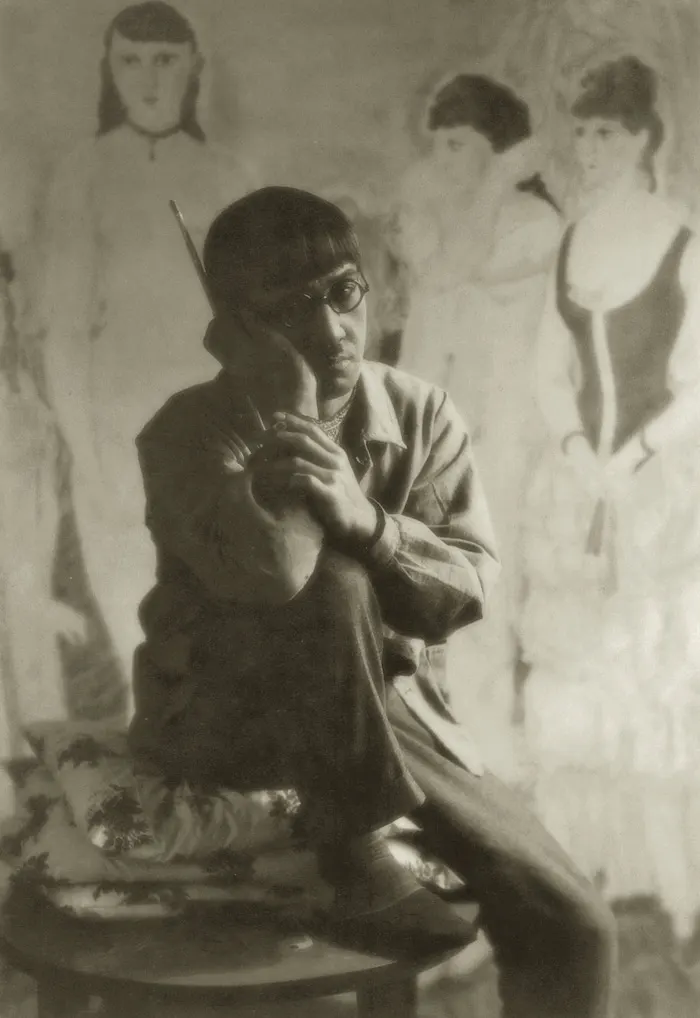
1886 — 1968 · Tokyo · Paris
Carried his cat into self-portraits and laid down a milk-white ground that became his signature. Montparnasse, between the wars.
Read about Foujita
1859 — 1923 · Lausanne · Paris
Drew the street cats of Montmartre by the thousand. The poster he made for the Chat Noir is a fixture of Belle Époque print.
Read about Steinlen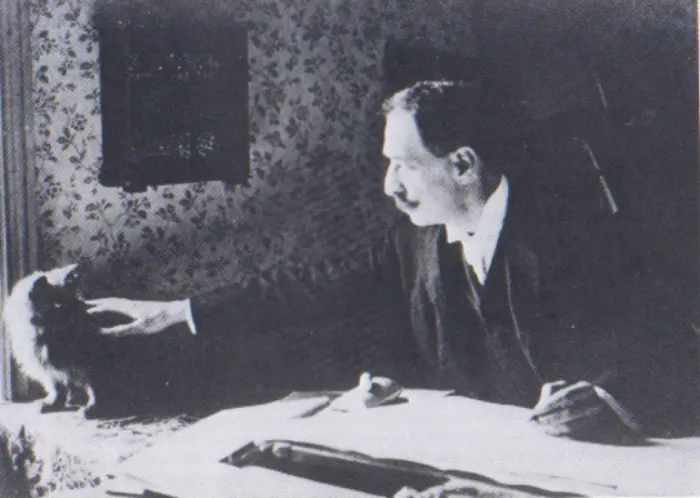
1860 — 1939 · London
The cat-illustrator of Edwardian England. Domestic and gentle for decades, then the late patterned series for which he is now equally known.
Read about Louis Wain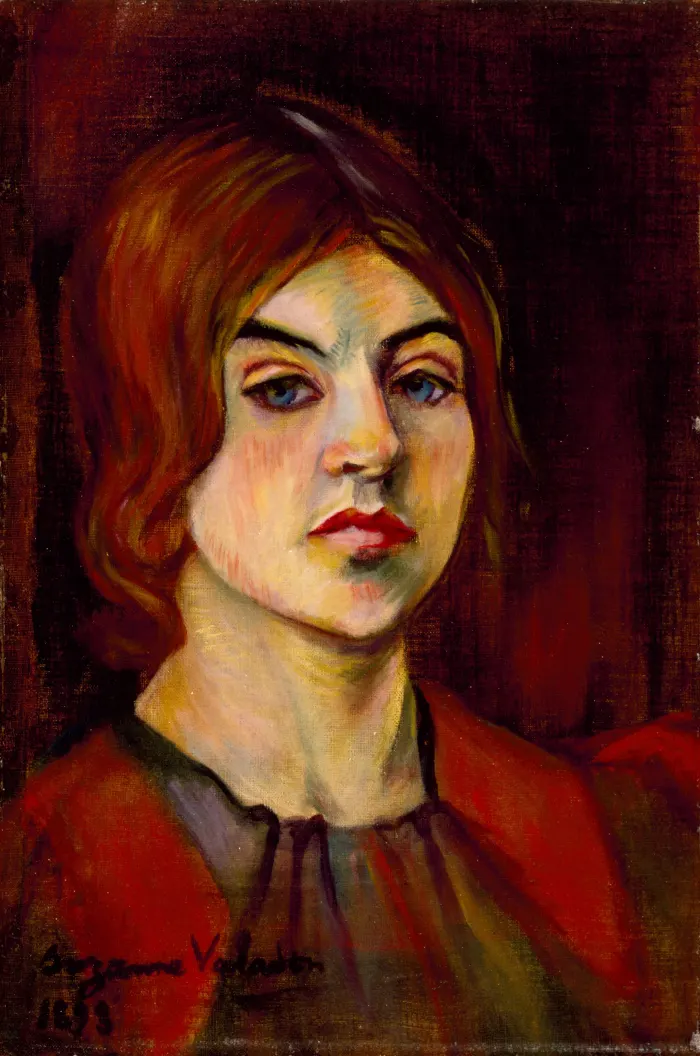
1865 — 1938 · Paris
Returned to the cat as a serious portrait subject across her Montmartre years. Raminou, her studio cat, sat for her more than once.
Read about ValadonTake a cat seriously as a subject and the cat will sit for you. The painters who learned this gave us a small and exact canon — and a register a modern portrait can still be commissioned in. The Heritage · Editorial

In the Old Masters tradition. Warm umbers, soft glaze, candlelit interior.
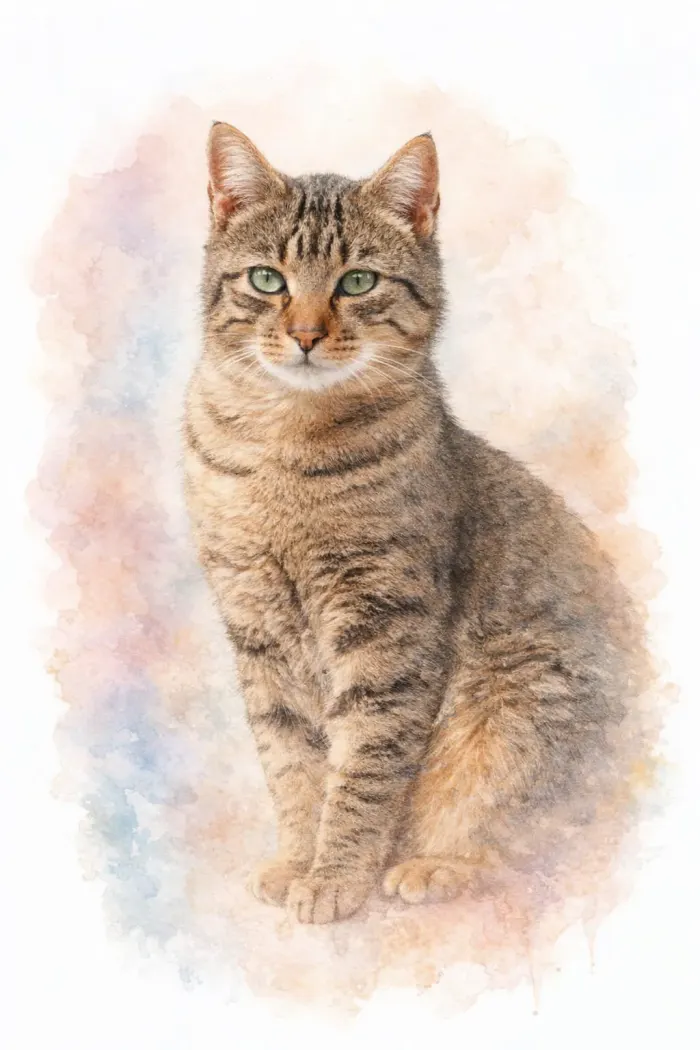
Loose washes and held breath. The cat as a study in pigment and water.

A portrait commission as a sovereign would have received it. Velvet, lace, formal ground.
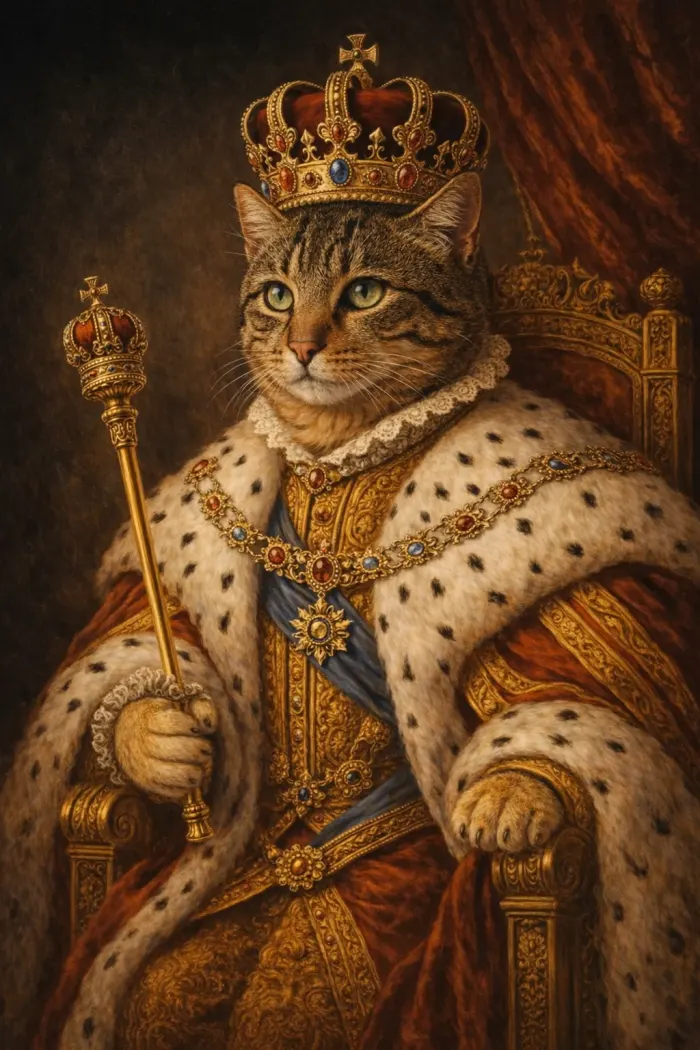
Sovereign-register portraiture with formal robes, dynastic light, a held gaze.

Broken brushwork and afternoon light. The cat composed as a passage of colour.
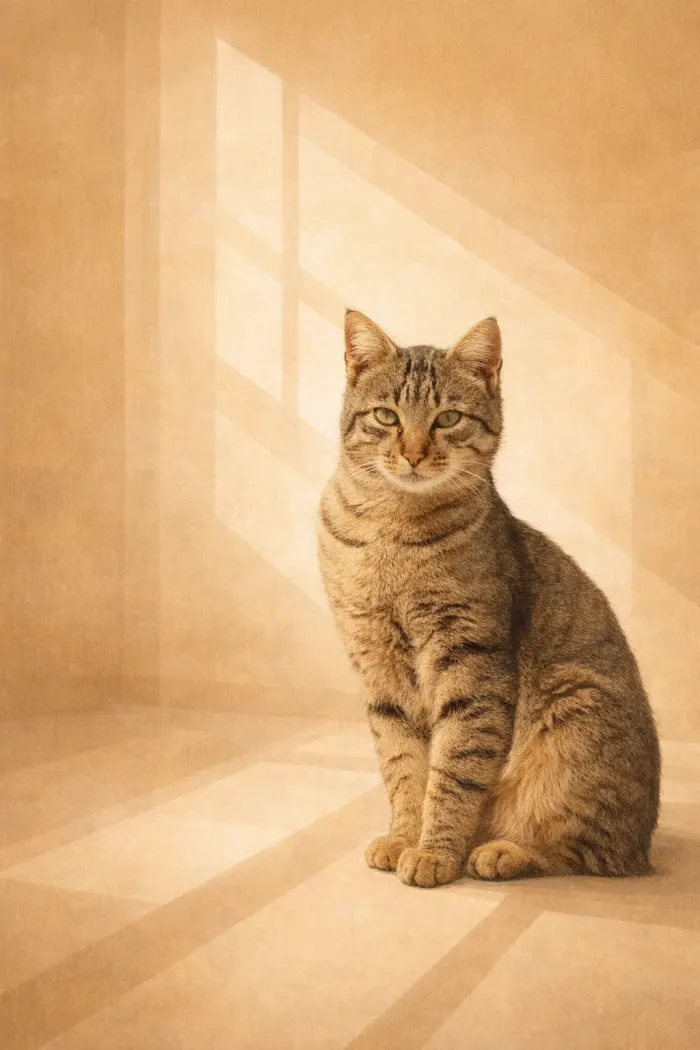
A contemporary register. Clean ground, restrained palette, the cat plainly seen.
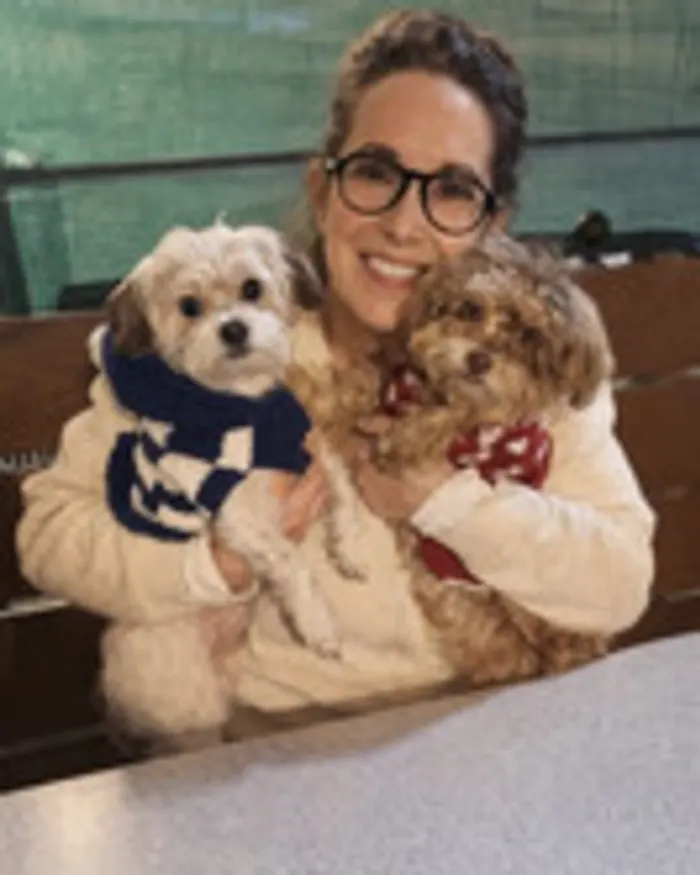
Mercy · The reviewer-in-chief
Mercy is the founder’s mother and the human-in-the-loop on every commission. Before a portrait leaves the studio, she sits with it: checks the eyes, the markings, the way your cat actually carries itself in your photographs. If something is off, the portrait goes back.
It is the part of the process the painters in our heritage room would have recognised — the slow, patient looking before a painting is allowed to leave the room.
Send us a clear photograph, choose a style, and let Mercy do the rest. Portraits ship framed-ready in archival print or canvas.
Begin Your Cat’s PortraitEach portrait typically takes a few weeks from the day we receive your photographs to the day it ships. Once you have chosen a style we begin work, and before anything leaves the studio Mercy reviews the result herself. We would rather take an extra week than send a portrait that does not look like your cat.
Yes. Our full catalogue includes six painting styles across oil, watercolour and modern registers. You can browse all of them from the Cat Styles page and begin a portrait in whichever feels closest to your cat’s particular character.
Most phone photographs work. Good light and a clear view of the face matter more than resolution. If what we receive will not render well, we will write back and ask for another — we would rather wait for the right photograph than guess at the cat.
Often. A portrait of a cat who has passed is one of the most meaningful commissions we take on. Use any photographs you have, in any condition; if you would like to write a few sentences about the cat alongside your order, we read them.
Yes. Group portraits of two, three or more cats are among our favourite commissions. Send a clear photograph of each cat and tell us whether you would like them composed together in a single scene or rendered as a series of single portraits in the same style.
We work in the tradition of the painters catalogued on this site, but we do not claim their craft. Each portrait is rendered with AI tools in the style you choose and is then reviewed by Mercy — a human, the founder’s mother — before it ships. The aim is the same as theirs: a portrait that takes the cat seriously.